A Day in the Life of a Software Developer – with Tiago

There’s always a way
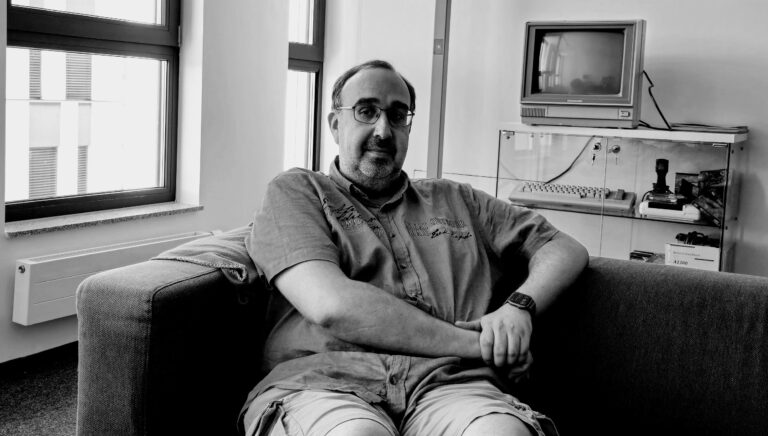
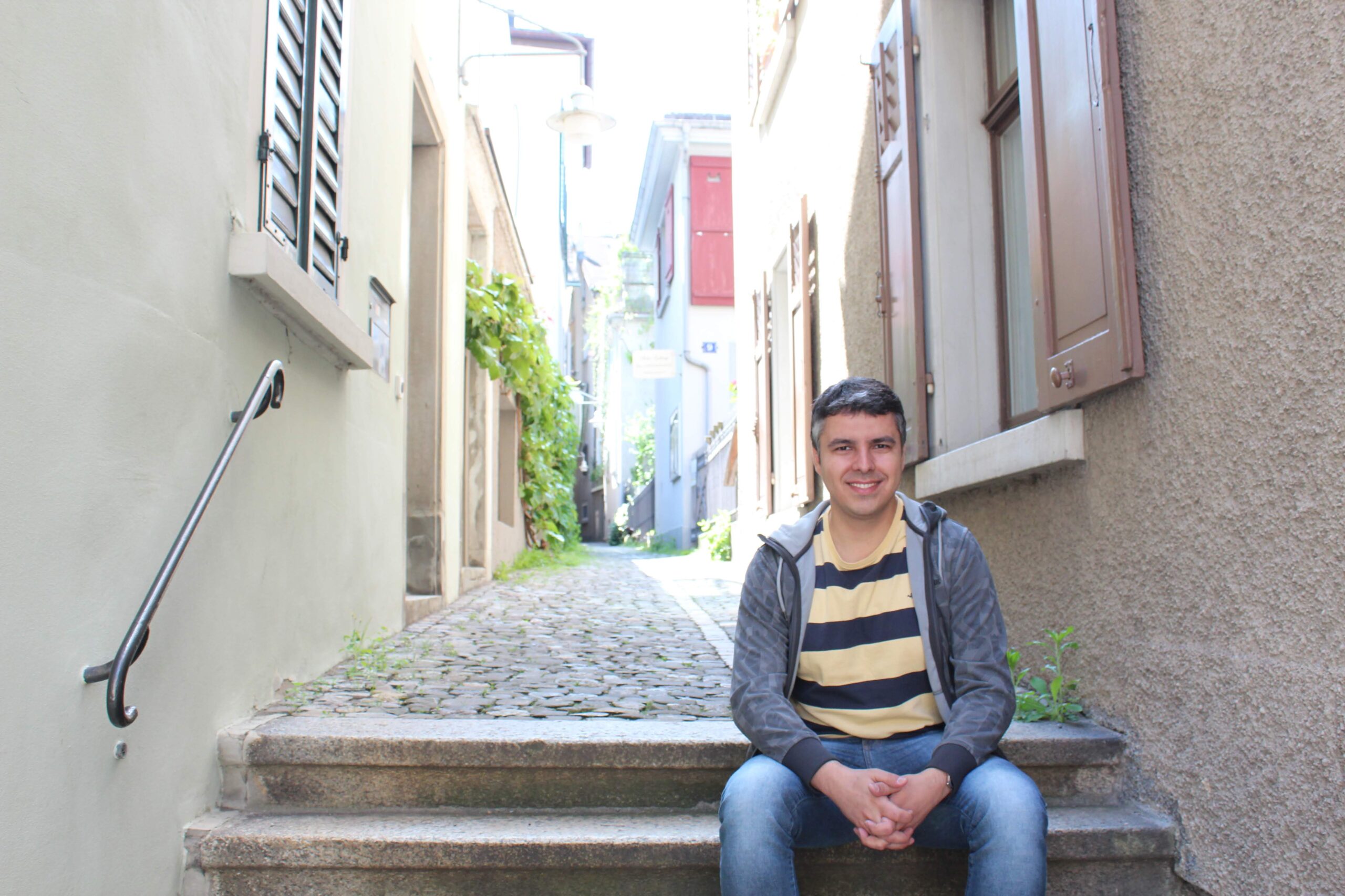
There are people who, after just a few minutes, give you the distinct impression that they take life a little less seriously than others. Tiago is one of those people. Where others get stuck or let problems get to them, he’s more likely to say, “There’s always a way.” And somehow, I believe him right away.
Maybe it’s because of his background. But it’s probably mostly due to his attitude. Tiago grew up in Brazil—shaped by his mother and grandmother. Two strong women who instilled in him not only the value of hard work, but above all, clear principles. Honesty, for example. Tiago says: If you “win” five euros today, you might lose fifty tomorrow.
Tiago had already heard about Germany from his uncle’s stories. What still impresses him most is the sense of security here—that feeling of having fewer worries in everyday life. He did have to get used to the German way of doing things, though. Once, when he arrived five minutes late at a government office, the door remained closed. That would be almost unimaginable in Brazil. Nowadays, he prefers to arrive 30 minutes early.
Perhaps that also explains why, when choosing an employer, he looked above all for stability and reliability—and ultimately found exactly that at convivo.
His workday begins with a check-in. For him, the daily meeting is more than just a routine—it provides direction: Where do we stand? What are the next steps? Are there any obstacles?
It’s important to him to establish clarity early on. Because one thing is certain for him: don’t dwell on a problem for too long when someone else might already know the solution. In this regard, he particularly values open collaboration within the team and the willingness to support one another.
When asked what software development has taught him about himself, he replies, “You’re capable of more than you think.” Because it often starts with the thought, “I can’t do this.” And then you find a solution after all. Often not right away, not perfectly, but step by step. In complex environments like software development, uncertainty isn’t the end—it’s often just the beginning.
Mistakes are part of the process—in coding as in life. Tiago tries to wrap things up at least enough to understand why something isn’t working. He often takes unresolved issues with him mentally. What helps: taking a step back, stepping outside for a moment, or spending time with his daughter.
A good day at work? When something is finished. A feature is complete, a problem is solved, a pull request is created. That moment when you know: Now someone else can take a look at it. And when things get tough? That’s when he learns. He looks for alternatives, workarounds, and new approaches. Because there’s always a way.
He remains pragmatic when it comes to AI as well. For him, it’s a tool to support, not replace, human work. It’s like pair programming: helpful, fast, often impressive—but no reason to switch off your own thinking. His point is clear: understanding remains crucial, and so does critical thinking. Those who merely copy stand still. Those who understand move forward. He sees the fact that he can now engage with future-oriented topics beyond his own project and participate in interdisciplinary committees as a major opportunity for personal growth.
What can we learn from this? Development rarely follows a straight path. Detours are part of the journey. And sometimes, that’s exactly why you end up exactly where you’re meant to be—in a place where you can grow without losing sight of your personal life.
When asked what advice he would give his younger self, Tiago says: Don’t give up. Believe in yourself.
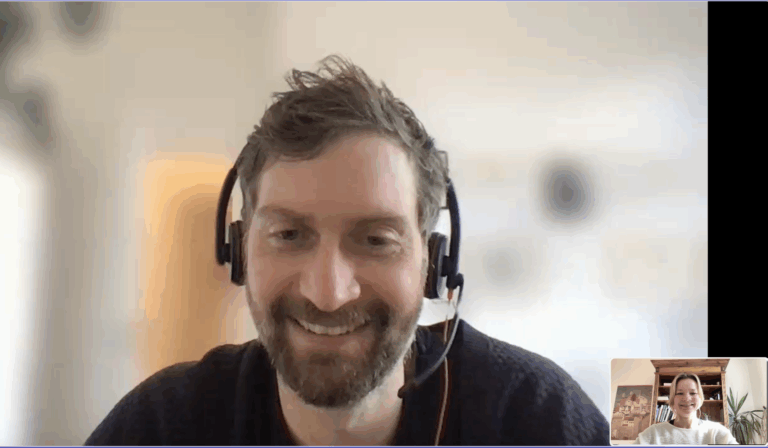
The interview was conducted by Josefine Walter, Scrum Master & Agile Coach at convivo